

 Some years ago, we had a dirt pile in the corner of our yard. Then my daughter decided to create something beautiful in that space.
She measured and cut the wood and figured out how to hold it all together. She built a fence to keep the dogs out. She planted herbs, tomatoes, peas, a watermelon, and a pumpkin. She built trellises for them. As a final touch, she added a metal baby robin, a fairy statue, and a brick walkway. It was beautiful!
My daughter said, “It took me two weeks to do a one-day project”. That was because she had three small children, one with cerebral palsy. The fact that she couldn’t focus and get the job done more quickly was a bit frustrating. Yet, despite the frustration, she said, “While I was building the garden, it was exhilarating. It was so exciting and rejuvenating.” Building that garden gave my daughter a wonderful sense of “This is the most fun thing I have ever done!”
My daughter was startled by the absolute joy she experienced as she figured it out and then built the garden. She thought a lot about that and remembered that she had felt this overwhelming joy before when she was four.
On our porch, she found two pieces of wood. She decided to make a plane. She asked for her snow pants because every builder needs overalls. She wanted a hammer and nails. Then she proceeded to make a plane. It didn’t look like a plane, just two sticks nailed into a T which she painted. She thought it was grand!
My daughter loves to build things. She also knows that she doesn’t build often enough. She works on ways to add that element into her life. When she makes time to build, no matter how stressful life is, she manages better.
Satisfaction and Joy Make Us Better People
There’s value in determining what brings us a sense of satisfaction and joy. As we create opportunities where we experience these feelings, we’re better mothers, fathers, grandparents, neighbors, friends, and people. These feelings enhance our ability to problem-solve instead of blowing up or becoming depressed. They ease the stress of modern life. They increase our patience and our ability to reach out to others, to forgive and to love.
The key is knowing what brings us these feelings and then finding ways to include them in our lives more often. We must make space for them. This isn’t always easy, but it is doable!
Do the work of figuring out simple things that feel exhilarating, satisfying and joyful to you. As you implement more of these activities into your life you fill your bucket. This enables you to give more to your family, friends, and community. Above all, it increases the quality of your life.
Let me leave you with an example from my own life. I love organizing things. Yup, work. I know it wouldn’t feel joyful and satisfying to everyone, but it is to me. So, I make plans on a regular basis to order something in my life, a drawer, a closet, a shelf in the garage, under my bed, etc. I organize something at least once or twice a month. I’m busy so I must plan it. I must get the support of my family to make space for it. But it’s worth it because it feels exhilarating, satisfying and brings me joy.
Someone once said that life is not a dress rehearsal. This is the real deal, so find ways to live a life of satisfaction, fulfillment, and joy no matter how busy life gets. Determine what generates these feelings for you and then find ways to incorporate them into your life.




 comes with summer. BUT summer can be a very busy time. Sometimes the pace outstrips my ability to keep up.
 the winter with the free range chickens. Then totally covered over early spring until the chicken run was done and they were contained.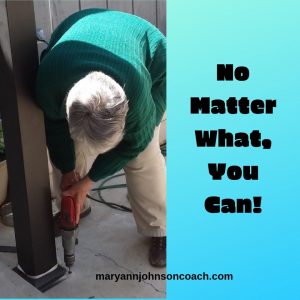
 daughter’s family. New babies are so wonderful! I helped them landscape the front yard. Whew, that was a lot of work. They waited until I got there because they had this idea that I know a lot about plants, how they grow, how to design gardens, etc. Yikes! It was a real adventure at the greenhouse picking everything out. It was an even greater adventure designing and planting everything. However, it turned out great and we got some good together time in the bargain.
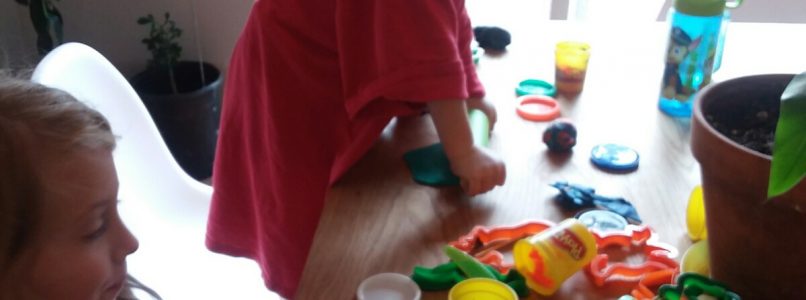
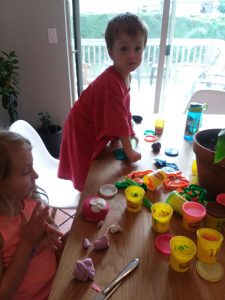 front door. The kids LOVED that. I learned all about play dough and the wonderful things that kids can create. : ) Then we moved on to bubble snakes. We also built and exploded a volcano because Elliott like everything prehistoric.
 Change can be hard. One reason that change is so challenging is that we misunderstand what change actually looks like and we also misunderstand the time that is required for change.

 Here is the definition of shame – a painful feeling of humiliation or distress caused by the consciousness of wrong or foolish behavior.
 Every parent is made up of a measure of good,
 My husband bought a pergola for our patio. It was a necessity because the west sun is so hot that you can’t even turn the doorknob in mid-summer.
 own. Don did one but with a replaced hip he knew he could
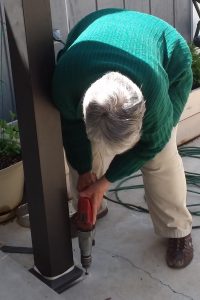 The day I needed to drill into cement and put in long screws and tighten them down I found myself in the same dilemma. But I remembered that pill experience which I had had only a few months earlier.



 What if you went Screen-Free, as a family, for a WHOLE MONTH!! Do you think you could do it? Would your family go nuts? Would everyone crack up? Would the fighting increase? Yikes!! A whole month!!