Category: Uncategorized

THE TRAVELING SPARK STATION – HOLIDAYS, MEMORIES, AND A BASKET FULL OF WONDER Part 4

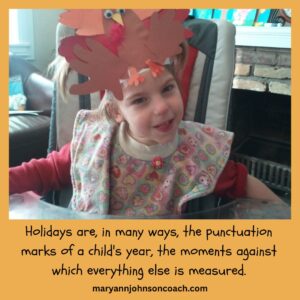
Holidays have a magic that no other topic quite matches. Children feel them coming weeks in advance. They carry memories, traditions, food, and family stories all bundled together. They are, in many ways, the punctuation marks of a child’s year, the moments against which everything else is measured. I can remember family holidays when I was a child, and my children still talk about theirs. That’s what makes them perfect Traveling Spark Station territory.
In this final installment, Part 4, of the series on The Traveling Spark Station, we’re going to look at six holidays that have found their way into my Traveling Spark Station over the years. Some are eagerly anticipated. Some are barely on a child’s radar. Those turn out to be some of the most fun, because there’s nothing quite like introducing a child to a celebration they didn’t know existed. Every holiday has a story. Every holiday has something worth knowing. And every single one of them is better when you explore it together.

HOLIDAYS

1. Halloween
Halloween was one of my favorites as a child and as a mom. I had a truly impressive witch laugh and used it well. Teaching my grandchildren about Halloween’s origins, rooted in a Celtic festival and a Roman holiday both celebrated on October 31st, was fascinating for me. The ghoulish books were a hit for them. Making treats was wonderful for us all. We did crafts connected to both the ancient Celtic traditions and our modern celebration. We talked about Mexico’s Day of the Dead, as well; a shiveringly good time was had by all. Whatever you do in that last week of October, make it fun, fill it with learning, and do it together.

2. Fall Harvest Treats
One Traveling Spark Station activity was devoted entirely to fall treats, the kind that belong to this season and no other. The children helped make every treat. We made a magnificent mess, and we cleaned it up together.

We pulled saltwater taffy, which was the highlight; there is nothing quite like the look on a child’s face when taffy starts to harden. We made cinnamon apples, a fall fair staple from my childhood. And we made caramel corn, which, in the old days, we would bag up and give out as Trick or Treat gifts. Books about autumn and Halloween rounded out the day. Eating and reading together — you really can’t beat it.

3. Veterans Day
When I was a girl, Veterans Day meant parades down Main Street, speeches in the park, and visits to the cemetery where flags were placed on every grave. It was a solemn occasion and meaningful because my family had many veterans.

I wanted my grandchildren to understand this holiday and know some of our family veterans. This holiday offers a natural platform for so many important conversations — past and present wars, bravery and courage, patriotism, peace, and the specific people in your own family who served. It’s a topic that can take you down rich and interesting roads for a long time. Start with a good book or two, a coloring page, a simple craft, and a family story. That is enough to begin.

4. Thanksgiving
Every year, our family talked about the Pilgrims and gathered for Thanksgiving dinner. But there’s so much more to this holiday, and the Traveling Spark Station helped us explore it.

We learned about the Wampanoag people, the tribe that met and befriended the Pilgrims at Plymouth. Their chief, Massasoit, was a peaceful man, though his sons would later have many conflicts with the colonists. We learned about the Mayflower. My grands liked boats, but they decided firmly they would not have wanted to make that crossing on a cargo ship with no sleeping berths. We talked about what childhood was like in Plymouth in the 1600s, which was eye-opening. Children could not sit or speak during meals, were expected to both love and fear their parents, and were often sent to live with other families after age eight. My grandchildren were fascinated and deeply relieved not to be Pilgrim children.

I talked with Jack and Maggie about all of this, but what they were really interested in was turkeys. So, while we made paper turkeys, I wove in a bit about what Thanksgiving is, who was at the first feast, and what they ate. Mostly, though, we talked about turkeys. We read a book about a Thanksgiving feast for a very small mouse and a counting book about Plymouth, and spent a quiet morning chatting, gluing, and tracing. We all enjoyed it very much.

5. Labor Day
Here’s a holiday most children — and many adults — know nothing about. Growing up, I knew Labor Day meant school was starting and that there would be a parade, a BBQ, and speeches by important people in the park. What it actually meant, I had no idea.

So, it found its way into the Traveling Spark Station. I gave the children a little background on the holiday’s origins and the labor movement. They asked questions. We talked about the importance of work and what each of them was already contributing at home. We played a word game, did a craft, and read some books. It never became anyone’s favorite holiday, but at least they knew what it was about — and the crafts were a hit.

6. Leap Year
My sister was born on February 28th, just two years after me, and she has always been quietly relieved about that one day’s difference. If she had been born on the 29th, she would be a Leap Year baby — and at sixty years old, she would have had only fifteen birthdays. My grandchildren found this information both fascinating and deeply alarming.

I shared a few pieces of Leap Year trivia with them. Their favorite: In 1988, TIME magazine declared Superman to have been born on February 29th, making him an official Leap Year baby. I had a Leap Year rhyme, some coloring pages, books to read, and plastic frogs hidden around the room for the children to find. Not anyone’s favorite holiday — but a fun and surprising one, which is exactly what Leap Year deserves.

Four parts. Dozens of topics. Hundreds of moments.

That is what the Traveling Spark Station is really about — moments; the afternoon Jack discovered that two triangles make a diamond and couldn’t stop putting them together. The night my daughter Kate snuck outside in the dark to sprinkle glitter on a fairy ring. The conversation with Jason about silver dollars that stretched across weeks. The quiet morning of chatting, gluing, and tracing that no one planned but everyone enjoyed.

None of these required a lot of money. None required a teaching degree. They required a basket, a few books, a simple idea, and a person willing to show up.

That person is you.

Whether you’re a grandparent traveling across the country to visit for a week, an aunt stopping by for an afternoon, a family friend helping with an event, or anyone else who loves a child and wants to do more than just be in the same room, the Traveling Spark Station is yours. Fill it with what sparks you or what you know will spark them. Take it to the children in your life. See what happens.

I promise you won’t regret a single trip.


The Traveling Spark Station Part 1, Part 2, Part 3

The Traveling Spark Station – Holidays, Memories, and a Basket Full of Wonder Part 4


Holidays have a magic that no other topic quite matches. Children feel them coming weeks in advance. They carry memories, traditions, food, and family stories all bundled together. They are, in many ways, the punctuation marks of a child’s year, the moments against which everything else is measured. I can remember family holidays when I was a child, and my children still talk about theirs. That’s what makes them perfect Traveling Spark Station territory.
In this final installment, Part 4, of the series on The Traveling Spark Station, we’re going to look at six holidays that have found their way into my Traveling Spark Station over the years. Some are eagerly anticipated. Some are barely on a child’s radar. Those turn out to be some of the most fun, because there’s nothing quite like introducing a child to a celebration they didn’t know existed. Every holiday has a story. Every holiday has something worth knowing. And every single one of them is better when you explore it together, so join me for some real-life examples of the fun.

Check out this episode!

THE TRAVELING SPARK STATION – WIDE-EYED AND WONDERING Part 3


Here we are — Part 3. If you’ve been listening along with Part 1 and Part 2, you already know the rhythm. You pick a topic, you gather a few books, a simple activity or two, and maybe something to eat. You show up, and something small and good happens.

Part 3 is where the Traveling Spark Station gets wonderfully wide. We’re talking about the entire world — its creatures, its seasons, its countries, its history, and the people who shaped it. These topics help children understand that they’re part of something bigger than themselves: a family with a history, a country with a story, a planet full of remarkable things worth knowing about. Join me and lets have some fun!

Check out this episode!

The Real Problem With Kits Isn’t The Kit


While working with individual families, this question came up often – should I let my kids use kits or have them work from scratch? I had listened to speakers and read articles that said absolutely no kits. By then, I had stopped living in a black-and-white world. I had learned to take my family, their needs, as well as my own, into consideration when deciding what was good for connection and learning. I had gotten brave enough to say, “I’m the expert in my home.” I surely didn’t know everything and still don’t, but I observed, pondered, and used my good sense. With that in mind, listen to what I’m sharing today about using kits with kids, and then do what’s right in your home, with your kids or grands. You will be surprised and enlightened.

Check out this episode!

Five Principles of Power Series – The Sunday Box

The Sunday Box Kids

After I introduced the Spark Station at a class I taught, I received an email from a woman I admire, Leah. I’ve written many articles on the value of seeing your children’s sparks. In some of those articles, I’ve shared how having a Spark Station (formerly The Closet) can help you create a wonderfully fun tool for family and learning connections.

Here’s what Leah shared in her email. “I am certain that teaching principles works. That’s what you did in class so I could take them and be inspired in the right way for my family and me.” She couldn’t have said anything that would have made me feel happier.

I’ve also written articles on the five principles of power (formerly The Five Rules of Engagement). This is what I taught in the class Leah attended.  So, what was the change for the better that Leah made? In what way did she use the principles I taught?

More of The email

“I want to share my own experience with your Spark Station presentation. I loved it and learned a lot. I especially appreciated that you taught from principles and encouraged individual application for each family. This is what came to me from your class, and a bit of prodding from the spirit. About two weeks ago, after church, my three boys donned their play clothes and off they went, out to the garden to dig. They had been digging there all week, working on the fort they were making.

As I watched them go, I wondered if they should dig on Sunday, when that is their everyday ‘work’. But I enjoyed the quiet of my house while they were out there digging for hours. Then this last Monday, I happened to glance–it was just a glance–at a title in the Ensign magazine about meaningful Sabbath activities. Then yesterday morning, while I was meditating, I had a cool idea, to make a Sabbath Day Box, you would call it a Spark Station. So, this afternoon I am going to create our Sabbath Day Spark Station using the principles you taught in your class. I am excited.”

I was also excited for her and her family. I was excited because the whole premise behind The Spark Station is that parents use it to inspire their children with things that matter to the parent, may matter to the child, something they have seen the child get excited about, or will enrich the child’s life and/or experience. Someone once said that this was a bit like manipulation. Phooey!! It isn’t anything like that. Every good mentor or coach helps their student or mentee look beyond what they know and are familiar with, to things that can give them wings! They also respond to Sparks and help children engage in what interests them.

In this case, a mother wanted to teach her sons about honoring the Sabbath as she understood it; to expand their thinking about ‘rest,’ and give them tools that would move them in that direction. She won’t need to require a change in behavior because her children will have had their understanding expanded. When you inspire, you rarely need to require.

The Rest of The Story – The Sunday Box

“I put the box together last week and couldn’t wait to unveil it after Sunday’s dinner. My husband and I were amazed because for hours on end, we had all six children in the room together. The box had that kind of power. On other Sundays, they would have been scattered through the house, doing their own thing, or out digging in the yard. I had my 17 to 4-year-old all sitting around the table.

I had Sunday sampler material (embroidery stuff), and every child, except the 4-year-old, made at least one. There were inexpensive journals, and three children chose to write in their journals with their mom’s help. I had three recipes, and one chose to make pudding from scratch. One chose to write a letter with the letter-writing materials in the box.

So much wasn’t even touched yesterday, and I look forward to changing out what I have in there. It was the highlight of our Sabbath, and it brought such a nice feeling. I can’t wait till next Sunday, and neither can the children. I am sold.”

Don’t you love it? I don’t care whether you’re talking about homeschool, family connections, Sunday observance, or any number of other family engagement/connection moments. The principles that make the Spark Station work make families work.

Let’s review the Five Principles of Power:

1. Structure time, not content, and be consistent
2. Be present
3. It’s only available during specific times. This adds anticipation 
4. When you add an item, remove an item, so it remains simple
5. Weekly planning

If you can internalize these 5 principles, whatever you’re trying to deal with will be more successful, and you’ll feel more powerful in your role as a parent and mentor.

Beginning next week and through April, I’m going to share more examples on the creation and use of a Spark Station. This may be just what you’ve been looking for. I look forward to teaching you more about this family connection/family education tool.

  • It works for learning, regardless of the school system you choose.
  • It works for grandparents, aunts, and uncles who want the children who visit them to have a grand old time.
  • It’s designed to get you and your kids together in the same space, at the same time, to have fun, connect, and sometimes learn something new.

Let’s begin connecting!

Learning Play – Math and Science Through Levers

Some children love math and science, while others find these topics unenjoyable or uninteresting. My grandson, Ben, was interested in both. He spent time on the computer looking up science questions rather than playing outdoors. As a child, I wanted to understand both math and science. I was intrigued by them, but my learning style made both very challenging. I had children who weren’t interested at all!
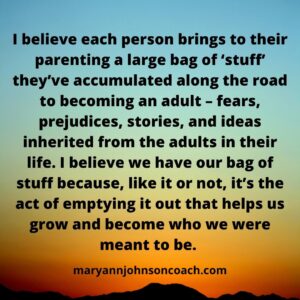
Math and science are important subjects that our kids will encounter in school, regardless of their educational setting, whether public, private, or homeschool. What can we do to respond to our children who are sparked by these topics, while creating interest in children who aren’t? One thing we can consider is turning them into fun, exciting, interesting, and at times, messy family activities. Kids love making a mess. : )

When my grands were young, I introduced them to levers. At the time, I didn’t know much about levers. I had never taken physics. If I didn’t know much about levers, what got me interested enough to think I could interest my grands? One day, I saw a game on television that utilized leverage and made me want to know more. It sparked me. : ) As I’ve aged, I’ve called upon my leverage learning to continue to do some things I wouldn’t otherwise be able to do. Leverage is a valuable concept to understand. I give directions for the game and the materials needed to make it at the end of this article.

I decided to see what else I could find that might be fun for the grands and me to work on together. I found all kinds of Lego builds and similar things. My grands had done some of these on their own without even knowing they were creating levers. I found playground equipment that used the principles of leverage. My grands had always loved seesaws. : ) But I was looking for something we hadn’t seen or thought of before. I was also interested in possible breakaway topics we could spend time on.

It didn’t take a ton of time to find fun things to share with them, and now, you. We have tools today that make it simple to find great activities that introduce science and math to children as young as four and five, even if the topic is new to you. It was fun finding simple ways to introduce fairly complicated concepts in ways that my grands and I could understand.

There’s a big payback when you have interesting stuff on hand in your home. I introduced the Spark Station to my homeschool audience years ago. However, I have used it extensively as a grandma, and it’s great in any home to respond to your kids, Sparks, introduce something new and exciting, for something to do on a boring day, when there’s a need to defuse a contentious situation, or when you want to engage the entire family in an activity.

What is the Spark Station (formerly The Closet)? It’s simply a cupboard, individual shelf, or closet, where parents and grandparents put things they feel their kids or grands would enjoy engaging with. Kinda like a toy box, only more orderly and more interesting. : ) This is where I put some of the great information I found about levers. Then, when the grands came over, they looked in my cupboard (it was one shelf), and we were off.

Lever Activities

Getting into the habit of watching for your children’s sparks is useful because it gives you ideas, as the television show did for me, then follow through and find a few activities that your family or your children can engage in.

  • In physics, a lever is a rigid object that’s used with an appropriate fulcrum or pivot point to multiply the mechanical force (effort) that can be applied to another object (load). It’s also called mechanical advantage. The seesaw I mentioned earlier is an example. When you go to the park, and your child rides the seesaw, mention that it’s a lever.
  • Did you know that many common tools utilize the concept of leverage (crowbars, pliers, scissors)? Some modern examples of levers are using a hammer to pull out a nail, using a bottle-opener to open a pop bottle, using a screwdriver to pry the lid off a can of paint, using a pair of scissors, using a balance scale to weigh things, rowing a boat, and using pliers to open a bottle. They’re all based upon levers and fulcrums.
  • Find an old tree stump (a walk in the woods for that purpose or a drive in the country can help you find one), a box of nails, and a hammer. Put the stump in the backyard and let the kids hammer in and remove nails. This is another opportunity to have a mini-conversation about this wonderful science concept. I can tell you that it’s a super fun activity! My grands LOVED it!! OK, what kid doesn’t like to whack something with a hammer, and while they’re busy at it, you can engage in some mini-conversations about Egypt and Archimedes. You can find information about them in the Breakaway Topics section, below.
  • Find a community pond that rents boats and go rowing. Maybe you can fish while you are at it. Have several mini-conversations about leverage and its importance in helping you get back on land.
  • Some animals have figured out how to use artificial levers to get work done. Sea otters, for example, use rocks to pry open seashells to eat sea urchins or abalones. Orangutans use sticks to pry open spiny fruit to eat the seeds inside. What else do these animals do? Where do they live? You can find pictures of animals using tools and levers online or in the library.
  • People have probably used levers as long as there have been people on Earth. At first, people used levers the way otters and orangutans do, to break into shells and fruits to eat the food inside. Research online to see pictures of early levers in human life.
  • Look for books that show how heavy machinery, such as cranes, uses length and leverage to move heavy objects into place. Buy a toy crane for your child and talk about how it works. This is an example of a mini-conversation that can occur naturally as a child plays. It’s always amazing to me what children take in when you think they’re just playing. Play is a great learning tool for kids. There are many videos to watch. I also found good books. Check these out: Mighty Machines in Action: Cranes by Chris Bowman, Peep Inside How a Crane Works by Lara Bryan
  • Look at pictures of the joints in your body. Your body contains many, many levers—wherever there’s a movable joint, there’s a lever below. Whenever you pick up anything heavy, your elbow acts as the fulcrum of the lever, and your arm bone acts as the lever itself. You can do experiments with the levers in your body. You can have a leg wrestling contest. You can play the game of stick pulling.
  • Find other levers in your home. Perhaps you don’t think much about how you use mechanical advantage, but there’s no way you can go through a day without utilizing it in some way. Levers are everywhere; the light switch on the wall, for example, and the stapler on your desk. You use levers when you shift gears on a bike and when you hit the brakes. A doorknob is a type of lever.
  • By the time people were living in cities, levers were used for many things. Take a look at a shaduf. It’s a very important tool for lifting water in many countries.
  • Make the lever game I saw on television, then play it. Instructions below.

Breakaway Topics

  • Study Egypt. It is theorized that levers were used to build the ancient pyramids in Egypt, so you could talk or read about Egypt. This is a new and interesting topic to share as a family. Do a bit of research and have some amazing dinner conversations. There are also great books you could use in your family reading time. Recreate some art. Google Egyptian art for kids, and lots of options come up. There are also many cool videos on Egypt for children. Why not have an Egyptian meal?
  • Study Archimedes. The earliest surviving writings on levers date to the 3rd century BC and were attributed to Archimedes. “Give me a place to stand, and I shall move the earth,” is a remark he made. Here is someone to learn about, read about, or have a conversation at the dinner table. As with Egypt, Google Archimedes for kids and lots of age-appropriate information comes up. Some books to get you going: Archimedes: The Inspiring Story of a Genius by Reza Nazari, ARCHIMEDES: The Complete History for Kids: The Mathematician Who Changed How We See the World by Olivia G. Mitchell, and ARCHIMEDES: The Complete History for Kids: The Mathematician Who Changed How We See the World by Olivia G. Mitchell. Here is one to read as a family: Archimedes and the Door of Science by Jeanne Bendick (ideal for ages 10+). Mr. Archimedes’ Bath by Pamela Allen is a fun picture book for younger children.  If you have really interested kids, give this book a try: String, Straightedge, and Shadow: The Story of Geometry by Julia E. Diggins
  • Study the pyramids. You could have a couple of books about pyramids in the living room. Look at them at the end of a family council, a family night, or an activity. Create a pyramid. Lots of ideas are online.
  • You can expand your study of levers into the other simple machines: wheel and axle, pulley, inclined plane, wedge, and screw. Where can you find them around your home, in your environment? Can you make some of them? Talk about how they make life easier? Can you see how one spark can lead you to dozens of others; how just a bit of thinking time can give you weeks and months of ideas to work with.
  • Learn more about shadufs. Show a picture of a shaduf, and share information about countries where they’re used. Find those counties on a map and learn about them. Make food from the country, see how they dress, what school is like, and what their families are like. Make a simple shaduf.

I understand that this may seem a bit overwhelming. Let me remind you that I took very little science and math in school, only what was absolutely required. However, I can look things up. I can think about them and how they relate to what I do every day. I certainly know more than a 4-year-old and most 12-year-olds. A mentor only needs to be a step ahead and moving forward. You are that for your children. You’re the expert in your home. You can sow seeds, build enthusiasm, and inspire.

Be brave. Give it a try. You may not have a shelf or closet where your kids or grands look for interesting stuff to engage with, but you can gather your family at a meal and introduce the topic. Then pick an activity and give it a go.

Families that learn and play together build lasting bonds.


Directions For The Leverage Game

The children playing the game were all about nine years old, but I could tell that with help, younger children could also make and play the game.

Take a piece of PVC pipe (about 4-5” diameter) or other material for the fulcrum. Use a flat piece of wood 2 ½ to 3 feet long as the lever. Tape a paper bowl to one end of the lever. Use a tennis ball to launch on the lever.

Use three hula hoops or other circular items on the grass, each marked with a paper sign as to its point value. The point of the game is to launch the tennis ball with the lever so that it lands inside the hula hoop with the most point value. Your children can experiment with moving the lever back and forth on the fulcrum until they find the length that will land the ball in the hoop of their choice.

Needed Materials:

  • A piece of PVC pipe or other item for the fulcrum
  • A flat board for the lever
  • Masking or duct tape to secure the bowl to the lever
  • A paper bowl
  • A tennis ball
  • 3 hula hoops
  • Paper
  • Markers

The closer the fulcrum is to the object being moved, the easier it will be to move the object – that is, the closer the fulcrum is to the object being moved, the less force is required to move it.

If your children are old enough to read or are at an age where they want to know how something works, add something from the internet explaining how a lever works, or a book from the library.

Leave a Legacy of Growth and It Will Be Enough!

A mom in our neighborhood has become a family friend. She has spent time in our home. She has shared meals, and we have had the opportunity to talk. She has observed our four-generation family, our little ecosystem, as my daughter calls it, from inside and out.

I Wish You Were My Mom

Not too long ago, she said, “I wish you were my mom. You’re the best mom. My mom didn’t share love; she was a stone.” This comment has caused me to ponder my past, my in between, and my now.

I, like Christy, had some challenges growing up. I was the oldest of nine with a mother who had been sexually abused for many of her growing-up years. Holding, hugging, and nurturing were not her strong suits when I was young. She fed us, got us places, kept us and our home clean, but she wasn’t present in many ways. I didn’t understand when I was a girl, but in the ensuing fifty-six years, I have come to understand many things. After I left home, I watched my mother grow and change. I watched her nurture my younger siblings and serve those around her. I love my mom for never giving up on herself, for giving me an example of change and growth.

She Only Knows the Person and Mother I Am Today

I could understand some of what Christy was feeling when she made her comment. However, as genuine as what she said was, I realized that she only knows the person and mother I am today. She doesn’t know that I was inwardly angry and that I raged. She doesn’t know I had a hard time with touch because I, too, had been sexually abused. She doesn’t know that tenderness and caring for people, more than projects, wasn’t how I began. She doesn’t know how much I had to learn and grow, how much baggage I had to let go of. But my children know!

One of the things that has given me peace about all the errors I made as a parent is that I know I did my best with what I had when I began, and that I didn’t rest there. Over time, I came face-to-face with my weaknesses and shortcomings, and I sought information and resources to help me understand how to change and grow. I wanted to be and do better. I wanted to give my children some of what I had lacked and stop giving them the very things that had wounded me as a child.

It was slow going. There were no computers until some of my kids were teens. There was the library, if you knew what book to look for. I had some neighbors and friends who shared what they had learned, gave advice, and helped me see what I hadn’t been able to see. We can only bring what we have until we gain more. We can only see what we have experienced until someone, or something, opens our eyes, and we see with new eyes. Then we must go to work. Knowing is not enough. We must then do, and that’s a long and often bumpy road. We must pray for and then watch for resources. They will come!

My Example Is Making a Difference

Monday was my 76th birthday. I received cards, and it was fun. However, one of the most meaningful cards wasn’t a birthday card. It was a thank-you card. Jodie wrote: “Mom, I broke out my new sewing machine the other day to fix Ben’s pants. I was able to thread the machine and take care of my son’s needs because you taught me how to sew all those years ago. I sat at the table, remembering, feeling grateful. Thank you, Mom, I love you.”

It caused me to think back, as Jodie had done. I taught my children many things. I taught them to sew, make nourishing meals, clean, put their space in order, garden well, and serve in their community. I gave them the living example of loving God, the value of prayer, a strong work ethic, the value of reading and study, being open to constructive criticism, trying when it was hard, and never giving up. Yes, I was a very good mother in many ways.

But I was unprepared in others. I was carrying a big bag of ‘stuff’. My children had to experience the ‘stuff’ until I could begin emptying my bag. In the process of my own healing and growth, I put ‘stuff’ in my children’s bags. Have all my kids been able to jettison the baggage I gave them? No, they’re still working on it, but I’m confident that when they’re 76, they will have made as much progress as I have.

I’ve watched them do what I did: forgive, change, let go, and grow. It’s been helpful to me and my own sense of OK-ness watching them. I recall, occasionally, when I feel old regrets surface, something my oldest daughter Jodie, said to me when she was in her late thirties. She reminded me that she was able to change a hard thing because of my example. My second daughter, Jenny, brings this up regularly and reminds me how grateful she is that I kept working on myself and was a mirror for her growth.

Many years ago, when I was a teen, someone I respected told me I would touch many people’s lives. I wondered what they were talking about. I was just a girl, liked, but nothing special, carrying my bag of ‘stuff’. All these years later, I can see that despite having so much growing and learning to do, I have impacted many people for good, even my family, who had to live through my growing up and cleaning out.

As time goes on, others will notice the positive changes we’ve made, even if they don’t realize where we started. But our progress will matter most to our children and grandchildren—they are shaped by how we continue to learn, heal, and improve. The legacy we leave them is not perfection but the example of real growth.

Take Heart and Do The Work

No matter how poorly you feel you’re doing as a parent, take heart. Keep pondering and looking inside yourself. Be open to seeing your weaknesses, and then begin working on them rather than beating yourself up over them. Parenting is never made better by berating ourselves. It’s made better when we square our shoulders, stand up straight, and move forward one step at a time, when we give ourselves grace. Look for resources, and they will come. Pray for help, and it will come. I’ve done all this, and it has helped me and my children. Am I done? No. We’re like onions; there’s always another layer to work on, and that’s good. Life stays interesting, and we keep growing.

No matter your mistakes or weaknesses, your example of ongoing growth and effort is the true legacy you leave your children—and it will be enough.

Raising Resilient, Confident Kids: Practical Ways to Build Traits That Last a Lifetime

Photo from Freepik
Photo from Freepik

Here’s an informative article from my friend, Laura Pearson. She’s taken the time to dive into a topic that can seem tricky for parents. It’s an easy read, contains useful information, and has helpful links. I loved her section on Entrepreneurship. Most of my grands have had small businesses of one type or another before going to or completing high school, a great way to practice resilience and gain confidence. Enjoy.

Raising Resilient, Confident Kids: Practical Ways to Build Traits That Last a Lifetime

Parents don’t “install” resilience or confidence with one speech. Kids build those traits slowly through everyday experiences where they feel safe, capable, and loved while they learn how to handle challenges. The goal isn’t to raise a child who never struggles. It’s to raise a child who learns, over time, “I can cope, I can grow, and I’m still worthy when things are hard.”

A Simple Foundation

Lasting traits grow when kids get three things consistently: support, structure, and small chances to practice.

Praise Effort and Strategy, Not Just Outcomes

Kids who only get praised for results can become afraid to try. Kids who get praised for effort learn that growth is something they can control.

Say things like:
●“You kept going even when it was frustrating.”
●“That was smart how you broke it into steps.”
●“I’m proud of how you handled that, not just how it turned out.”

This builds confidence that’s based on learning—not perfection.

Teach Resilience Through “Recover and Reset” Skills

Resilient kids aren’t the ones who never get upset. They’re the ones who learn how to come back.

Help your child practice:
●Naming feelings (“That sounds like disappointment.”)
●Calming their body (breathing, movement, quiet time)
●Choosing a next step (“What’s one thing we can do now?”)

The lesson is powerful: emotions are real, but they’re not in charge.

Build Independence With Choices Inside Boundaries

Kids become independent when they get to make decisions—without being overwhelmed.

Examples:
●“Homework before or after snack?”
●“Blue shirt or green shirt?”
●“Do you want to talk now or take a break first?”

These small choices teach agency and reduce power struggles.

Give Them Responsibilities That Create Real Competence

Confidence grows fastest when kids contribute and see themselves succeed.

Age-appropriate responsibilities:
●Pack part of their lunch
●Own a weekly chore (trash, pet care, tidying a space)
●Help plan one family meal
●Manage a small budget for a project

Kids feel stronger when they’re needed in a healthy way.

Entrepreneurship Can Empower Youth Who Crave Independence

For some young people, a small business project can build confidence quickly because it gives them real-world responsibility, decision-making practice, and a sense of ownership. It can also help them discover strengths they didn’t know they had.

If your child wants to pursue entrepreneurship in a serious way, it’s smart to research the basics first—especially legal questions around ownership and business structure. You can start with the LLC age requirement where you live. From there, start framing things like:

●A business plan (try starting with a template)
●Marketing strategies (social media is a natural choice for most kids)
●Develop a budget (there are lots of apps for that)
●Financial arrangements (your bank might offer child/teen checking accounts)

Support Their Interests and Protect What Makes Them Unique

A positive self-image forms when kids feel accepted for who they are—not who they perform as.

How to help:
●Notice strengths beyond achievement (curiosity, kindness, humor, persistence)
●Encourage “their thing,” even if it’s unusual
●Avoid comparisons (especially siblings)

Kids who feel valued for their uniqueness don’t need to imitate others to feel worthy.

Community Activities Build Confidence and Resilience

Community activities give kids something every long-term trait needs: practice. When children regularly show up in a group setting, they learn how to cooperate, handle feedback, navigate social dynamics, and feel a sense of belonging—without everything depending on school performance. These experiences often strengthen self-esteem because kids see themselves contributing, improving, and being valued by others.

Ideas to explore:
●Team sports (soccer, basketball, swim team, track, martial arts). Your school is a great place to begin.
●Clubs and groups (scouting, robotics, chess, drama, choir, youth group)
●Volunteerism (family service days, food pantry sorting, park cleanups, community gardens)
●Creative classes (art, music lessons, dance, theater workshops)
●Interest-based meetups (coding camps, book clubs, Lego clubs, STEM nights at libraries)
●Community fitness (yoga for kids, family hikes, running clubs, rec center leagues)

A good rule: pick one activity that builds skills and one that builds joy—and keep the commitment realistic so it stays fun, not stressful. 

Teach “Good Self-talk” By Modeling It

Kids absorb how adults handle mistakes and stress. Self-talk becomes contagious.

Model phrases like:
●“I made a mistake—now I’ll fix it.”
●“This is hard, but I can learn.”
●“I can try again tomorrow.”

This quietly teaches resilience, accountability, and confidence.

Help Them Build Healthy Friendships and Social Confidence

Kids gain resilience when they feel connected. Make connection easier by teaching simple social skills:
●How to invite someone to play
●How to handle conflict respectfully
●How to apologize and repair
●How to say no without being mean

Social confidence protects kids long-term.

Fun Learning Techniques That Build Confidence, Not Pressure

Kids tend to learn best when it feels playful and doable—especially if they’re already carrying stress from school, social dynamics, or perfectionism. Fun learning techniques can make practice feel like a win instead of a chore, which helps kids build competence (and confidence) faster.

A few ideas to try:
●Turn lessons into mini-challenges: “Can you solve 3 in a row?” or “Let’s beat yesterday’s time.”
●Use movement-based learning: flashcards while bouncing a ball, spelling words with sidewalk chalk, math facts during a dance break
●Make it social: teach-back time where your child “explains it” to you in their own words
●Keep sessions short: 10–15 minutes is often better than long, draining blocks

A Quick Parent Checklist for Building Lifelong Traits

☐ Praise effort, strategy, and improvement
☐ Teach “reset skills” after big emotions
☐ Offer choices within clear boundaries
☐ Give responsibilities that build competence
☐ Encourage interests and celebrate uniqueness
☐ Model healthy self-talk and repair after mistakes
☐ Support friendships and connection

One Last Bit

Resilience, independence, and a positive self-image aren’t rare traits—they’re built through daily life. When kids feel supported, get chances to practice responsibility, and learn how to recover from setbacks, they grow into steady, capable people. Focus on small habits that repeat: effort-based praise, meaningful responsibilities, healthy choices, and consistent connection.

Over time, those everyday moments become the foundation for a strong life.

Five Principles of Power – Principle 5

Today, let’s look at the fifth Principle of Power. I love all five principles; they all matter, but this seems to be the most challenging to implement. Many of us fly by the seat of our pants. Don and I did that in our marriage and family life for many years, and we paid a price; our family paid a price. Things go better, even if they don’t go exactly as we envisioned, when we have a plan. This is true in our goals, family discipline, maintaining loving relationships, having workable family systems, engaging in family activities, managing school, meals, chores, and so forth.
Principle 5

Plan ahead. Taking time to think about your family, your children’s needs, your personal goals, and all the things I listed above is one of the keys to success. It doesn’t take hours. What it takes is thinking and pondering regularly, making decisions, and then following through. If you’re thinking about a road trip, vacation, or a career, then planning is an obvious necessity. However, this applies just as well in our families. Whenever we engage as a family, it requires some planning. The principle of regular planning helps families manage better.

Part of planning is observing how your family operates. What interests your kids? What holidays are coming up? How’s school going, whether you use the public or private system, or homeschool? What’s happening in the world, and how is it impacting your family? As we think and observe, we come up with ideas on how to engage with our family. Then we plan, so we have success.

Try this:

Have a thirty-minute brainstorming session with your husband once a week or even once a month. What do you want your children to be exposed to, to know about? What have you heard them talk about in the last week, or what have they seemed to enjoy or struggle with? How are you doing with your current plan of discipline? What’s coming up that you might want your family to participate in? As you focus on watching and thinking, ideas will come about ways you can help your children manage what’s happening around them and ways your family can learn together, work together, and enjoy being together.

Another idea:

Have a weekly family council. See what your kids are worried about or interested in. What ideas do they have? What plans would they like to see developed in your family? What’s working in your home systems and what isn’t? How can that be adjusted?

Can a Simple Family Activity Trump Disneyland?

I worked with families daily for over a decade. I talked to children and their parents. I learned from these interactions that structured time, consistency, simplicity, planning, and parents remaining present make everything more special. This specialness trumps whatever the activity is.

When I was writing my book Becoming a Present Parent, I asked my children, their spouses, and some of their friends what the most meaningful things were they did in their family when they were growing up; what captured their hearts and remained with them into adulthood. I discovered that when we observe these five principles, even the most ordinary events become special. A daily family walk, playing together on the beach, or a camping trip can be as meaningful as a trip to Disneyland. What? You don’t believe me, do you? Check out the note I received from my daughter-in-law.

Kendra said, “Another thing I’ll always cherish from my childhood was the time my parents spent with me outdoors, going to the beach, hiking, fishing, swimming, and letting me be a kid. It was something we often did because it didn’t cost much, but to me it was the greatest thing ever. In fact, one time my dad took me to Disneyland, and I asked him if we could leave and go to the beach. I look back on that now and think that must have both surprised him and probably made him wish he had saved all that money. I’m so grateful my parents taught me to cherish experiences and nature over money and things.”

Kendra’s parents thought about what they wanted for their family. They planned how they could afford time together and how to make it happen consistently. They set aside time and kept their activities simple. They were present during these activities. Wise planning made the activity happen, and their children feel special!

These five principles are non-negotiable if you want consistent success in your family work and activities. In my experience, with all types of children and families, when you plan for what you want, structure time together, keep your plan simple and consistent, make the ordinary special, and remain emotionally and mentally present, you will be successful every time, even if all doesn’t go as planned.

Healthy family relationships and meaningful experiences are created when we set aside time, remain present, plan regularly, and keep things simple so consistency is maintained, and it feels special.

Five Principles of Power – Principles 1 and 2

I love the Five Principles of Power (formerly the Five Rules of Engagement). I didn’t have them fully formed in my mind when I began working with parents and helping them connect with their children. I just knew what children needed: to learn well, connect, and thrive.

In the beginning, I connected the principles with education, as I worked with families who homeschooled. As I have transitioned to working with all families, regardless of how they educate, I have witnessed the power these principles have in not only learning, but in family systems, relationships, communities, etc. They are powerful when planning and executing activities, cooking together, sharing new ideas, adjusting family systems, doing chores, yard work, gardening, etc. When you utilize these principles, children will engage better in whatever you are doing.

The Five Principles of Power

1. Structure time and be consistent
2. Be present
3. Make it special
4. Keep it simple
5. Plan ahead

Last week, I shared how principles 1 and 2 helped me commit to and become successful in learning to meditate. Today, we will dive deeper. Then, in the next few weeks, we will learn more about the other principles. As you internalize these principles, you will see greater success in all parts of your life. This is a promise I can make based on my own experience. 

Principle 1

Structure time and be consistent. In other words, show up regularly. For anything to happen in life,  we must carve out time for it and then make a commitment to that time; we have to be consistent. It’s also helpful to understand that although we structure time so that the things that matter happen, we need to be flexible with what happens during that time.

  • If you homeschool, you structure a time for learning.
  • You might structure how Sundays are spent in your home.
  • It could be family time on a given day or evening.
  • You might structure what you want to see happen in the car while on a long trip.
  • It might be a plan for the days of a vacation.
  • It’s important to structure time and be consistent anytime your family comes together for a specific purpose.

Be Flexible With Content

On a vacation, you may all be doing the same thing, but there’s still flexibility. One child may choose to record the family trip in a journal, another may choose to take photographs, and another may not record anything at all. On a long car trip, parents may have audiobooks for the family to choose from. The family may sing songs together, but not chide the one who just listens. The point is the trip was planned, and then happened. The time was honored, but the content was flexible.

What If Something Goes Wrong

I received an email from a mom who took one of my classes, where I introduced the five principles. She returned home and structured time for family activities, but everyone came down with colds. She shelved the family time for a week, hoping all would soon be well and they could start again.

I raised seven children, and I know what it’s like when everyone feels poorly. However, when creating a truly magical and amazing family culture, structured time and consistency matter. So how do we keep to that structure when things aren’t going well, as in the case of a family with a cold?

My suggestion is to hold true to the time. If you have a once-a-week family evening activity, do it, but modify it. Gather your children around you. Have pillows and blankets, and people resting on the carpet. Give everyone a glass of juice or hot chocolate. Smile while drinking. Have a few moments of small talk or a prayer. Then call it good. The point is to be consistent, to honor the time. It allows your children to depend on it, to understand that family activities matter.

Illness isn’t the only thing that will challenge you as you work to honor time set aside for family. There will be days when you have made more commitments than you can manage. We all do it occasionally. When that happens, gather your children together, have everyone share a joke, eat a treat, and call it good. The kids may not like ending early, as they tend to come to love and depend on family time, but something is better than nothing, and they know it. Consistency counts.

Whatever you do as a family, honor it. Consider it sacred time with your children, so they know you can be counted on to follow through.

Principle 2

Be present. Being present means you’re engaged with your children; you’re in the same space with them physically, mentally, and emotionally. It doesn’t mean getting them settled and then going off to do your own thing. It means being together. You learn together, play together, work together, and have fun together. When you’re present, it helps with management and order. It does not, however, mean micromanaging everyone’s activity or efforts.

Being present is a gift to whomever we give it to. It’s listening without texting, answering the phone, checking email, or watching the TV out of the corner of our eye. Being present is being all ears and eyes for what’s happening now. Children and teens feel more secure and happy when parents are present.

Who Will This Work For

These principles apply whether you have toddlers, young children, teens, older adults, or even if your family consists of three older people. : ) Each day at lunch, we have a family activity – we listen to something that will enlighten and lift us. It’s easy to become distracted and miss most of the audio. It’s also easy to forget to do it. However, when we allow this to happen, after a day or two, one of us will say, “Hey, shouldn’t we listen to something?” Doing this as a family matters, and understanding the power of consistency helps it happen more regularly.

We also have an activity we do every Tuesday. It isn’t always easy to get up, dressed, and into the car, but we have been very consistent for over three years.

Then hip surgeries happened. We stopped doing the activity because we physically couldn’t get in the car or drive. Now we have healed enough to resume this activity, but it’s been hard to get back on the wagon. This is another reason that structuring time and then honoring that time, consistently, matters; picking it up again can be hard, and often you won’t.

When we set aside time to be with our family, whether it’s daily, weekly, or even monthly, and then make it happen consistently, it builds a sense of trust that blesses us far beyond the activity itself. When children can trust that we care and they matter, they are freer to come to us when they’re in need.

So, structure time and then show up consistently. It will bless your family.