 Let’s Begin where We Left Off – Keep It Simple: When It’s Full, Stop
Here’s a rule I wish I had understood earlier: when your Spark Station is full, stop adding things. You want everything visible, easy to reach, and put away — then stop. If you want to add something new, take something out.
Chaos happens when the Spark Station is too full. Here’s the thing — it’s rarely the children who create that chaos. It’s the parents. We get excited. We find wonderful things. We keep adding. And then no one engages because no one can find anything, and the whole space feels overwhelming.
When my grandchildren were younger, I had a Spark Station. One day, I did a big purge. I took nearly everything out. What remained were some books and materials on rocks that my grandchildren had been studying, some new craft supplies for an upcoming holiday, and the magnets — because the children never tired of them. That’s it. Simple, colorful, and interesting.
It also helps to reevaluate the contents every few months. Have children outgrown certain things? Are there games gathering dust, are there completed projects, or supplies that have lost their appeal? Take them out. Nothing in the Spark Station is permanent. It’s a living, changing space, and that’s what keeps it working.
Plan: Keep Your Eyes Open
Planning doesn’t have to be complicated or time-consuming. The mother who found dollar insect items at Target wasn’t sitting at a desk with a planner. She was simply paying attention to what her boys loved, and when she saw something that sparked them, she acted on it.
That’s the kind of planning I’m talking about. Watch your children. Listen to what they talk about. Notice what makes their eyes light up. What does your family like to do together at home — read, play outdoors, create games? Think about upcoming holidays. What’s happening in your family? What did you love as a child? Keep a running list if that helps. Then regularly sit down — even for thirty minutes — and think about what you might add or remove in the coming days. If parents have something specific they want to introduce, they can use the Spark Station to get the ball rolling.
Every Family Is Different — Don’t Be Afraid to Re-Tool
My daughter, Jodie, has four children, all of whom are teenagers. When she first started using the Spark Station, they were 7, 5, 3, and 18 months.
Jodie had decided to homeschool for a couple of years. Jack, her five-year-old, was convinced he needed a ‘real teacher’ — meaning anyone other than his mother.
I helped Jodie put together her first Spark Station. We chose wonderful hands-on items — sewing cards, coloring books and fresh crayons, magnets, a salt shaker with toothpicks to drop through the holes, dry-erase boards, games, books, colored pencils, and notebooks. We also added several special science projects, a family interest: a homemade coloring book, library books about scientists, a mobile to make, and a baking project.
The night before their first official use of the Spark Station, Jodie helped her kids make Earth spheres out of Rice Krispies treats, a family activity not part of the Spark Station. The kids loved it. They discussed how the Earth was created and how scientists continue to learn more. Jack was all over it.
When the Spark Station was opened, Jack took one look and said, “Mom, your school is boring. I’m going to cancel your school.” Disaster.
So, Jodie re-tooled. She removed the special learning projects. The simple, fun, hands-on items remained. The little ones dove right in. And Jack? He looked up and said, “Mom, I want to learn about knives.”
Jodie got a few knives, a tomato, and some potatoes. They spent the next hour learning about serration, sharp edges, how knives are used, and what it means to observe — which, as it turns out, was the exact topic of their first science project. Fabulous time. Sneaky mom.
The lesson here is not that you will always get it right on the first try, whether you’re using it as part of your school ambitions or for family activities. The lesson is that when something isn’t working, you step back, take a good look, and retool. Every family’s different. The rules stay the same, but how you apply them will be uniquely yours.
What About the Hard Days?
There will be times when your carefully planned Spark Station sits untouched while your child plays dress-up in the corner. There will be days when the baby’s screaming, the toddler’s grabbing everything in sight, and you wonder why you ever started this. There will be days — and I say this with love — when your five-year-old looks at everything you’ve prepared and tells you it’s boring. There will be days when you take out a book for family reading and your teenager goes to sleep. There will be days when you get the materials for a new outdoor game, and your 13-year-old daughter sits glumly on the sidelines because this doesn’t interest her.
That’s normal. In nearly every family I’ve mentored, we’ve had to talk about this. The Spark Station is designed to inspire families and kids, not require.
If today’s a disaster, remember the thing that matters most: the Spark Station’s greatest purpose is not the activity, it’s the connection it creates between you and your children over time. If no one wants to engage today, sit down, read, or talk about an upcoming holiday, trip, or family event. Next time will be better.
You Are the Model
I once asked a mom what had drawn her to my class on the Spark Station, though she had never heard of it before. She said she read the description and thought, “That’s a good idea.” The line that caught her eye was this: “Would you like a system that helps you more effectively structure creative connection time?”
That’s it. That’s what we’re all looking for. Not a perfect system, not a perfectly stocked Spark Station, but a reliable, workable way to show up for our children and make being together, playing together, and learning together a joyful part of family life.
The Spark Station gives you that system. But you’re still the heart of it. If you want your children to love learning, let them see you learning. If you want them to read, let them see you reading. If you want them to be curious about the world, be curious yourself. If you want them to engage with the family, then put down your phone, turn off the TV, and engage with them consistently. You put on your oxygen mask first, and then you help them with theirs.
The families who see the most transformation with the Spark Station are not the ones with the most creative content. They’re the ones who show up consistently, stay present, keep it simple, and keep going even when a day falls flat.
 In our district, kids are going back to school only two days a week. WHAT!!
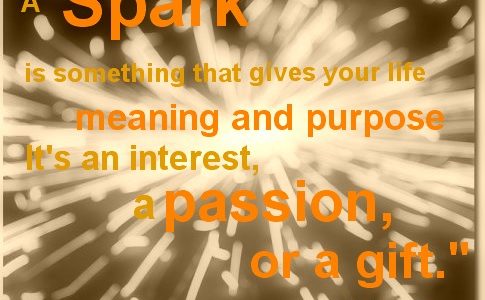
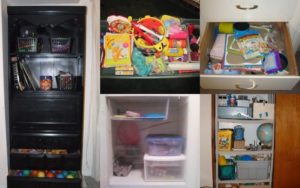 dresser, or any other place you can put new items to share with your children. It’s not the same as a storage space where you keep your learning materials, books, and craft items. Its purpose is to create a time and place when your children will be exposed to new and exciting ideas or be able to engage in things that already interest them, and where parents connect with their kids. It’s a time and space where both adults and kids can share what they feel joy or passion in, and what interests them, their SPARKS. I’ll share information on how powerful SPARKS can be.